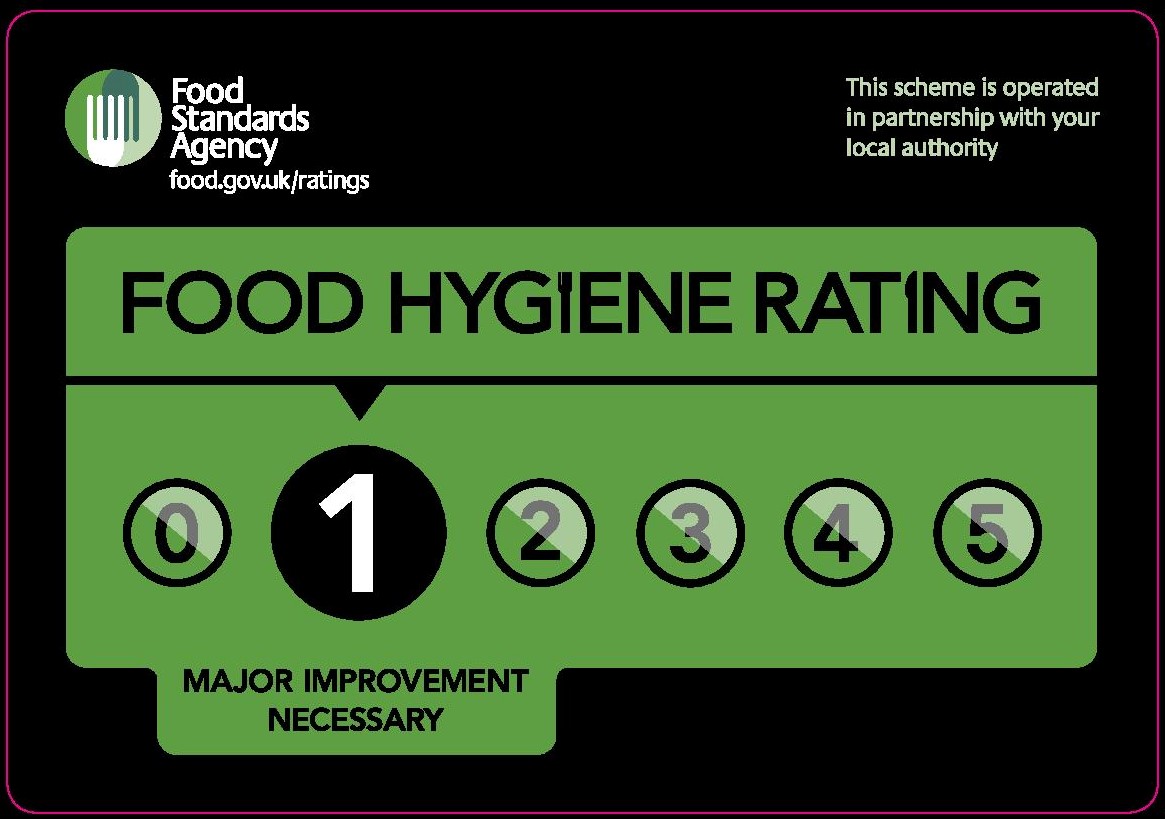
Take a look at the five common mistakes made by owners and managers of restaurants, takeaways and food outlets that can lead to a lower score being given by a Health Food Inspector.
- Common Mistake One: Previous issues that haven’t been fixed
You are expected to rectify reported issues before the return visit of the Environmental Health Officer (EHO) is due. Not actioning issues highlighted on the report from your last Environmental Health visit will be looked into by the EHO, you will need to explain why the previous issues have not been resolved. - Common Mistake Two: Record-keeping
Not keeping records can make the differences between achieving a high 4 -5 or a low 0-1 food hygiene rating. Keeping records proves that you are carrying out safe practices when preparing, cooking and storing food. The inspector will also be looking for records of staff training, records to prove that the opening and closing checks have been carried out every day. There are forms for all of the required checks in your Safe Food Better Business packs, ensure your staff are competent in filling them and check they do. - Common Mistake Three: Pest control
Having an ineffective pest control can lead to huge implications. You could be fined. You could be prosecuted. Making sure that your staff are competent enough to know where the bait boxes are, the pest proofing equipment, making sure it’s free from pests. Cleanliness is key. So staying free from pests, keeping it clean. If you letting that slip then you’re going to get downgraded on your hygiene rating. - Common Mistake Four: Cleaning
Opening and closing checks are key. Cleanliness needs to be highlighted every day. From the whole general state of the kitchen, the toilets as well as changing rooms and outside areas. Inspectors will check if you have a cleaning crew that comes in out of hours, checks that they’ve actually been and that they’ve actually done what they should be doing. - Common Mistake Five: Staff training
Refresher sessions on food safety, first aid and health and safety should be held every six months to a year. You should be informed and competent enough to know what actions can put in place regarding training staff. Keep on top of training and make sure if any new legislation and regulations come out you are training staff within the guidelines.