If you’re an owner or a manager of a restaurant, takeaway, commercial kitchen, or any other business that is given a food hygiene rating, our mini-series is going to be extremely useful not only to you but also your staff in helping to achieve a five-star food hygiene rating.
Do I need a Food Hygiene Rating?
Inspections are carried out and ratings are given to businesses where food is sold, consumed, or supplied, such as restaurants, takeaways, pubs and cafes, as well as schools, academies, and care homes. This is not an exhaustive list, however, they are considered the main ones.
What are the Food Hygiene Ratings?
The scheme is in place to help the public choose where to eat and shop for their food by giving them clear information about your business’s hygiene standards.
The Food Standard Agency runs the scheme in partnership with the local council, an Environmental Health Officer will arrange to inspect your business. following the inspection, the environmental health officer will give your business a rating from five to zero so that the public can make an informed choice about where to buy their food from.
Ratings Zero to Five
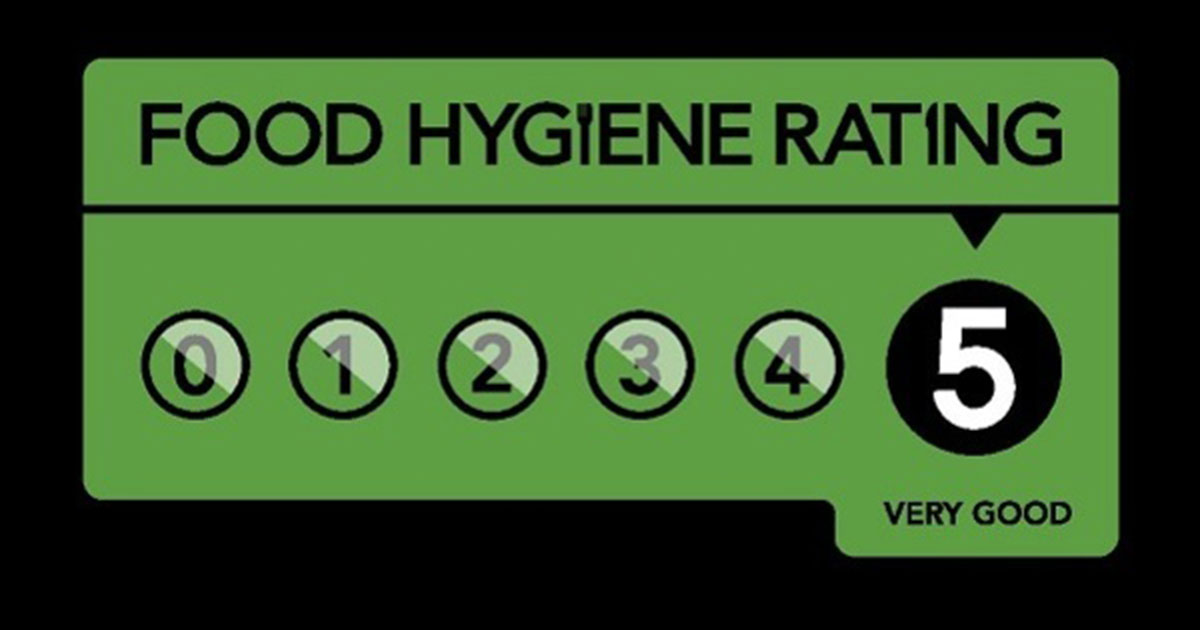
Following the inspection, your business will receive a rating from five to zero, Five being Exceptional, Zero will state urgent improvement
Five-Star Rating:
Your standards are very high, they’re exceptionally high.
Everyone should strive to achieve a 5-star food rating.
Four-Star Rating:
Your hygiene standards are good.
There is room for improvement and you should rectify any points raised during the inspection.
Generally, you are on top of everything.
Three-Star Rating:
Hygiene standards are generally satisfactory.
There will be a list of improvements to be made, these need to be carried out before your next visit.
Two-Star Rating:
Improvement is necessary.
You will likely have a second visit arranged at this point to ensure you are completing the improvements.
One-Star Rating:
Major improvement is necessary.
You will need to look at tightening up on procedures, training staff and investing in improvements to the building.
Zero Rating:
Urgent improvement is required.
You may have to start a voluntary closure or even a forced closure to rectify some of the issues that have been picked up during the inspection.
What Happens with your rating?
- Your company details, rating and the three main reasons why the rating was given are added to the Food Standard Agency’s website, this is live and available for the public to see.
- A sign with your rating is displayed in the shop’s window.
Good or bad your rating is available for the public to see. Aim to achieve the highest one possible.
What happens during an inspection?
The environmental health officer will check three main elements:
- Is the food being handled hygienically?
This is broken down to how food has been prepared, cooked, reheated, cooled and stored. - Condition of the premises
This is both front and back of house, serving, dining areas, kitchen and storerooms.
They look at cleanliness, pest control procedures, layout, ventilation, and - Food safety
Processes, staff training, how do you maintain good hygiene is maintained?
From the three elements, the officer can then assess the level of confidence in standards being maintained going forward. To achieve the top food hygiene rating of 5, your business must do well in all three elements. If you do not achieve a five-star rating, the officer will explain the necessary actions needed to improve your rating.
A report of the visit will be issued to you with any items that need to be rectified immediately and recommendations to be carried out at a later date, you will be expected to have carried out the immediate issues and have procedures in place before your next visit.
What to do if you receive a Low Food Hygiene Rating?
So, what happens if you get a low rating? If you are issued a zero or a one, this shows the Environmental Health Officer doesn’t have confidence in the management to run a food outlet, you will possibly be looking at voluntary closure until urgent and major improvements to the standard of hygiene within the premises.
Imminent Risk to Public Health
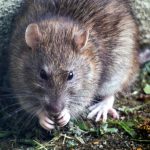
If the officer finds an imminent risk to public health, for example a pest infestation of cockroaches, rats or mice, or food that is unsafe to eat, this will lead to a number of enforcement options available to the inspecting officer, this is to ensure that improvements are made and can result in stopping part of business trading or closing down completely until the improvements have been made and it is safe to reopen. This is not a stage you want to get to because you are losing trade, the businesses reputation will be tarnished because you will have an enforcement notice stuck to your door, this is not a situation you want to get to.
How Often Will My Business Be Inspected?
The frequency of the visits to your business will depend on the issues recorded on your last visit.
Your businesses could be inspected anywhere from weekly to monthly, to every six months right up to every two years depending on what risks there are, is your business high or low food risk?
Your local authority has a yearly inspection program, the frequency of the inspections does depend on the risk to public health, each time there is an inspection a new hygiene rating is given by the officer.
If you received a food hygiene rating of four on your last visit and have complied with the previous report by carrying out the reported issues you will likely go up to a five, if of course no new issues are found, however, just as likely if you had received a score of five and things have slipped you may well come down to a score of four, it all depends on what the officer sees at the time of the inspection.
Monitoring Visits
Environmental Food Hygiene Officers will monitor you in between the full inspections if required, monitoring visits can sometimes reveal cause for concern and if that is the case then an office will carry out a full re-inspection there and then and re-issue you with a new updated food hygiene rating.
Hygiene inspections are not a one off like an MOT for a vehicle and then you have twelve months before it will be looked at again, an officer can return at any time within the twelve months to check up.
Remember an officer will reinspect if they had cause for concern, so you need to be on top of hygiene all the time.
Here to Help
By watching the 6 episodes, reading the pages in the knowledge centre and going through the food safety checklist, you will be boosting your chances of receiving a high food hygiene rating.
For further guidance on what is needed for a food hygiene rating of 5 we will be happy to arrange a visit to your premises to carry out a pre-inspection and get you on the right track for receiving a higher food rating, we offer friendly professional advice and recommendations to help you achieve a hygiene rating of 5.